Sourcing Precision CNC Parts from China: The Step-by-Step Vetting Guide for Overseas Buyers
Executive Sourcing Summary: For North American and European procurement directors, hardware startups, and Tier-1 engineering teams, sourcing precision CNC parts from China offers compelling economic advantages: 30% to 60% tooling and unit cost savings, unmatched raw material supply chains, and rapid prototyping turnaround. However, navigating cross-border manufacturing carries real operational risks: hidden trading company markups, unverified dimensional tolerances, delayed maritime logistics, and intellectual property (IP) leakage. This comprehensive vetting guide provides an actionable, engineer-to-engineer framework for qualifying direct Chinese precision CNC machine shops, enforcing bilingual Non-Disclosure Agreements (NDAs), validating Coordinate Measuring Machine (CMM) inspection reports, and structuring seamless Delivered Duty Paid (DDP) logistics.
1. The Global Manufacturing Arbitrage: Real Opportunity vs. Hidden Risks
Western hardware engineering teams are caught in a constant pincer movement: shrinking product development lifecycles paired with relentless cost-reduction pressures. Domestic machine shops in the US and Western Europe face astronomical hourly machine rates (120â180/hr for 5-axis milling), aging machinist workforces, and multi-week lead-time backlogs.
In contrast, China's precision manufacturing clustersâparticularly in the Greater Bay Area (Dongguan, Shenzhen, and Foshan)âprovide:
- Comprehensive Supply Chain Density: Sourcing specialized billet (OFE C10100 copper, Al 6061-T6, Ti-6Al-4V, PEEK), heat treatment (vacuum annealing, T6 aging), and certified plating (Type III hard anodize, ENIG) within a 30-kilometer radius.
- Continuous Spindle Utilization: Multi-shift, 24/7 automated robotic machining cells that compress prototype delivery from 8 weeks to 5 to 10 business days.
- Significant Cost Advantage: 30% to 55% lower total landed cost on complex 4-axis and 5-axis machined housings, liquid cold plates, and optical components.
However, capturing these benefits requires sidestepping the single most common pitfall: unknowingly dealing with an unlicensed trading company or middleman broker posing as a factory.
Trading Company / Broker
- Layered Pricing: 25%â50% hidden commission added to shop floor manufacturing costs.
- Broken Feedback Loop: Technical DFM queries filtered through sales reps who lack engineering backgrounds.
- No Quality Ownership: Shuts down or shifts blame when parts fail incoming CMM inspection.
- IP Vulnerability: Distributes your proprietary 3D CAD files to dozens of random sub-tier bidding shops.
Altus Precision (Direct Manufacturer)
- Transparent Costing: Direct raw material + spindle cycle time pricing with zero broker margins.
- Engineer-to-Engineer DFM: Direct consultation with bilingual mechanical and thermal architects.
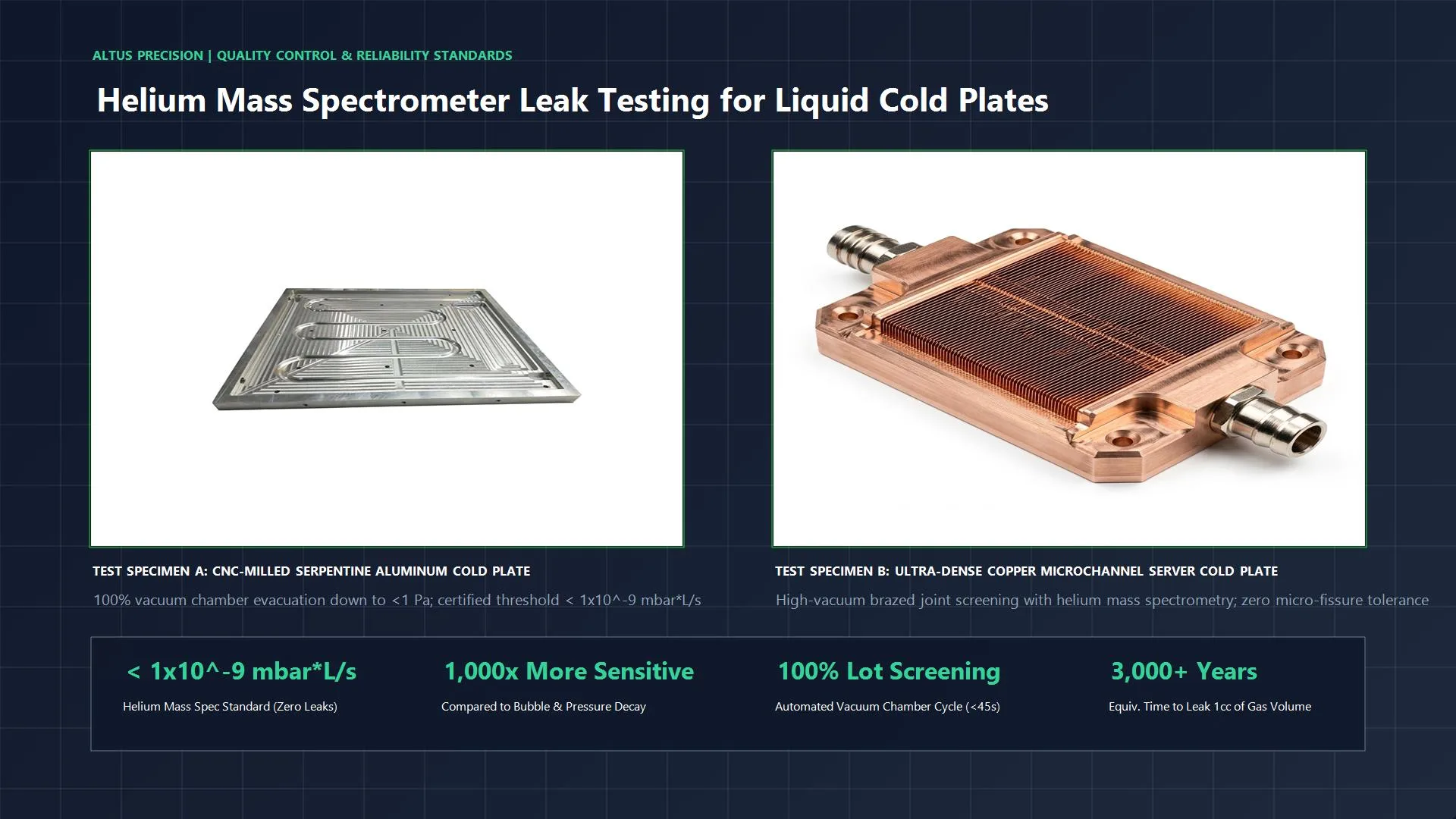
- 100% Quality Accountability: In-house CMM, optical comparators, and vacuum helium mass spectrometers.
- Strict IP Containment: Isolated, encrypted local CAD servers protected under enforceable bilingual NDAs.
2. 5 Red Flags: How to Spot a Broker vs. a Real Machine Shop
When evaluating prospective Chinese CNC suppliers on B2B directories or search engines, use this five-point forensic checklist to verify genuine manufacturing ownership:
1. The Real-Time Live Video Walkthrough Test
A broker will offer stock photos or glossy corporate videos, but will stall or make excuses when you ask for an unannounced 5-minute WhatsApp or Teams video call to walk the shop floor.
- The Altus Standard: We welcome spontaneous video walkthroughs. We will point the camera directly at our DMG MORI and Mazak 5-axis spindles, show your parts running in real time, and walk you into our temperature-controlled inspection laboratory.
2. Business License ("è¥ä¸æ§ç §") Scope Verification
Under Chinese corporate law, every entity's official business license states its registered business scope (ç»è¥èå´).
- If the license reads "Sale of machinery, trade consultation" (éå®ãè´¸æå¨è¯¢), it is a trading company.
- A legitimate manufacturer's scope explicitly includes "Production, processing, and manufacturing of precision hardware and mechanical components" (*ç²¾å¯äºéé¶ä»¶å å·¥ãå¶é *).
3. Machining Process Route Derivation During RFQ
Send an RFQ with a deliberate Geometric Dimensioning and Tolerancing (GD&T) challenge (e.g., a pm 0.01mm bore with a 0.01mm true position tolerance).
- A broker simply returns a generic price quote without asking technical questions.
- A real manufacturing engineer will immediately inquire about the datum scheme, suggest tool clearance modifications, and specify whether the bore will be finished via jig grinding, wire EDM, or custom diamond reaming.
4. In-House Metrology Equipment Ownership
Ask for the brand, model, and latest calibration certificate of their Coordinate Measuring Machine (CMM). Brokers cannot produce valid calibration certificates matching their company's registered name.
5. Raw Material Traceability (MTRs)
Direct machine shops maintain longstanding partnerships with certified aluminum and copper mills, providing lot-specific Material Test Reports (MTRs) including chemical spectrometry and tensile test data. Brokers frequently source untraceable scrap-recycled billet to maximize margins.
3. Intellectual Property (IP) Protection: Enforceable NDAs in China
One of the greatest fears for Western engineering teams is sending proprietary CAD files abroad only to see knock-offs appear on overseas marketplaces.
Standard US-jurisdiction Non-Disclosure Agreements (NDAs) that specify litigation in Delaware or London are virtually unenforceable against domestic Chinese entities. To achieve true legal deterrence, international hardware buyers must execute a Bilingual China-Enforceable NNN Agreement:
4. Prototyping to Production: FAI & Quality Control Closed Loops
Never transition from CAD directly to a 5,000-piece production run. A disciplined quality gate process requires:
4.1 First Article Inspection (FAI) & Ballooned Drawings
Before launching mass production, require a formal AS9102 or ISO 9001 FAI Report:
- The customer's 2D PDF drawing is "ballooned," assigning a sequential number to every single dimension, thread spec, geometric tolerance (GD&T), and surface finish callout.
- The supplier inspects 3 to 5 sample parts across 100% of ballooned parameters, recording actual measured dimensions, gauge types, and variance.
- Production tool offsets are adjusted to center all critical dimensions within the middle 50% of the tolerance band.
4.2 Material Test Reports (MTR) & Spectrometry
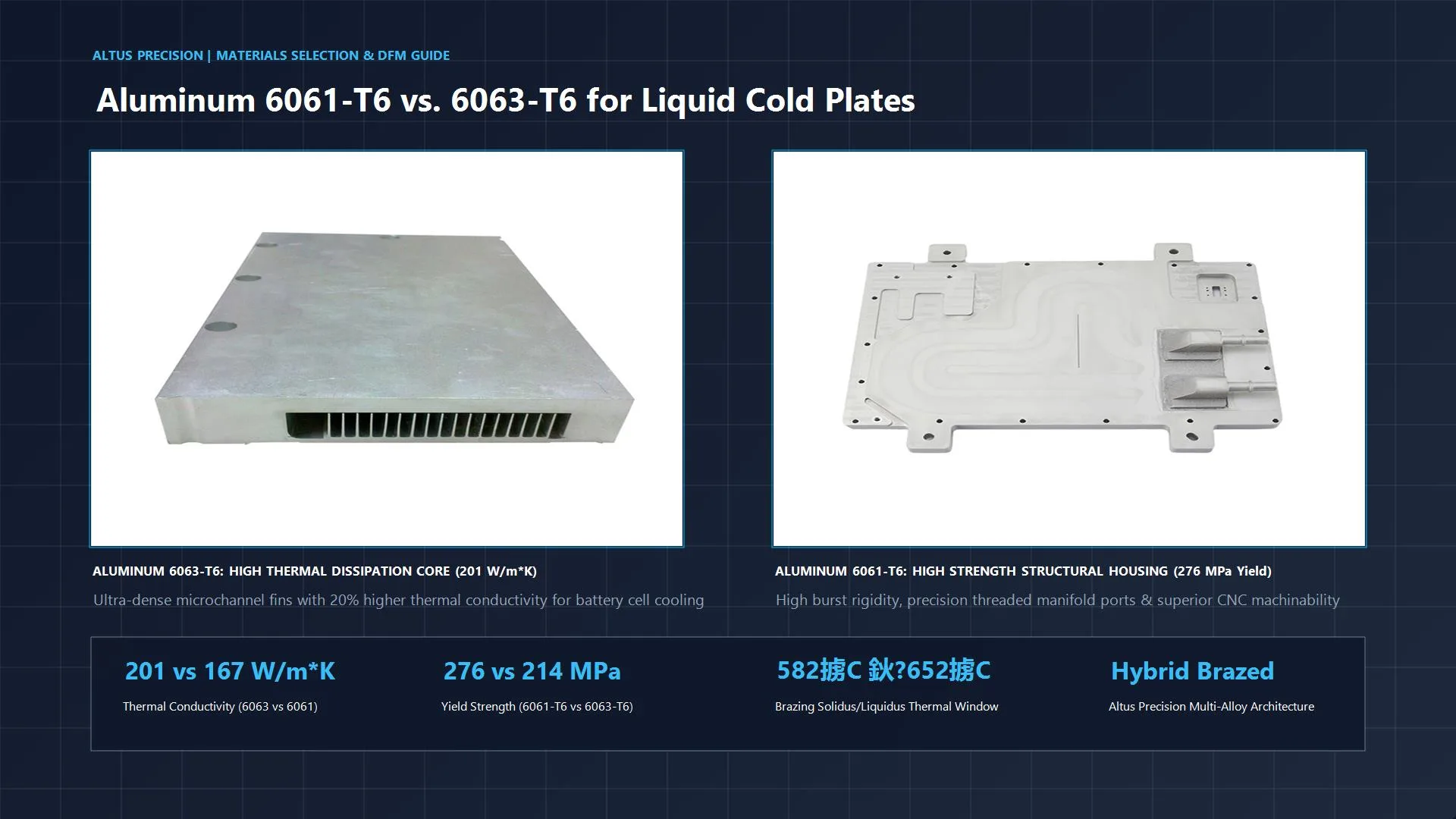
Insist on mill certification test reports verifying alloy chemistry. At Altus Precision, every raw billet lot undergoes Optical Emission Spectrometry (OES) upon receipt to verify that copper, aluminum, and titanium alloys adhere to ASTM/EN chemical limits.
5. Cross-Border Logistics: Understanding Incoterms (DDP vs. FOB)
Shipping custom metal parts across borders introduces customs tariffs, HS code classifications, and potential maritime demurrage charges.
6. Altus Precision's Direct-to-Engineer Engagement Model
At Altus Precision, we have eliminated the traditional friction of overseas sourcing by structuring our operations around western engineering expectations:
- Bilingual Mechanical & Thermal Engineers: You communicate directly with qualified manufacturing engineers who understand ASME Y14.5 GD&T, fluid dynamics, and metallurgyânot commission-driven sales brokers.
- 24-Hour DFM Turnaround: Submit your 3D CAD files (STEP/IGES) and receive a comprehensive Design for Manufacturability (DFM) review within 24 hours, highlighting potential cost drivers, thin wall risks, and tool reach bottlenecks.
- Turnkey Surface Finishing & Assembly: From high-vacuum brazing and precision skiving to military-spec anodizing, laser engraving, and helicoil insertion, we deliver fully finished, drop-in sub-assemblies.
- Guaranteed Quality Warranty: If any part deviates from your approved 2D drawings or CMM report, we provide immediate expedited air rework or replacement at zero cost to you.
7. The 20-Point China CNC Factory Audit Checklist
Before placing your first purchase order, run your prospective manufacturing partner through this Altus Precision Supplier Audit Checklist:
- Does the factory own 4-axis and 5-axis CNC machines?
- Are spindle models modern (e.g., Brother, Haas, DMG MORI)?
- Is the machining shop floor organized (5S standards)?
- Are raw materials segregated by alloy grade?
- Is the CMM housed in a temperature-controlled lab (20±1°C)?
- Is CMM calibration current (within 12 months)?
- Do they provide full FAI ballooned inspection reports?
- Are digital height gauges and micrometers calibrated?
- Will they sign an enforceable bilingual China NNN?
- Is the business license verified as a manufacturer?
- Do they provide DDP door-to-door air and sea freight?
- Is raw material certified with lot-specific MTRs?
8. Frequently Asked Questions (FAQ)
Q1: What is the typical lead time for precision CNC prototypes from China?
Answer: At Altus Precision, rapid prototype machining lead times range from 3 to 7 business days for simple to moderately complex CNC parts, and 10 to 15 business days for complex multi-axis assemblies requiring post-machining surface treatments (e.g., hard anodizing or electroless nickel plating). Express DHL/FedEx air freight delivers parts to your facility in North America or Europe within 3 to 4 business days.
Q2: What file formats are required for an accurate DFM review and quotation?
Answer: To provide a comprehensive DFM review and binding quote, we require:
- A 3D CAD model in STEP (.step / .stp), IGES (.igs), or Parasolid (.x_t) format for toolpath and machine cycle time calculation.
- A 2D technical drawing in PDF format detailing critical tolerances, GD&T feature control frames, surface roughness (Ra), thread specifications, and mandatory inspection points.
Q3: How do you handle dimensional discrepancies or non-conforming parts?
Answer: Altus Precision operates under an ISO 9001 certified non-conformance management system. In the rare event that a dimension is out of spec upon customer arrival, we conduct an immediate root-cause investigation against our archived CMM records and initiate expedited priority remake and air-freight replacement at our expense.
9. Start Sourcing with Confidence: Partner with Altus Precision
Are you ready to streamline your custom parts manufacturing and capture significant cost and lead-time advantages without sacrificing quality or IP security?
Experience the Altus Precision Advantage:
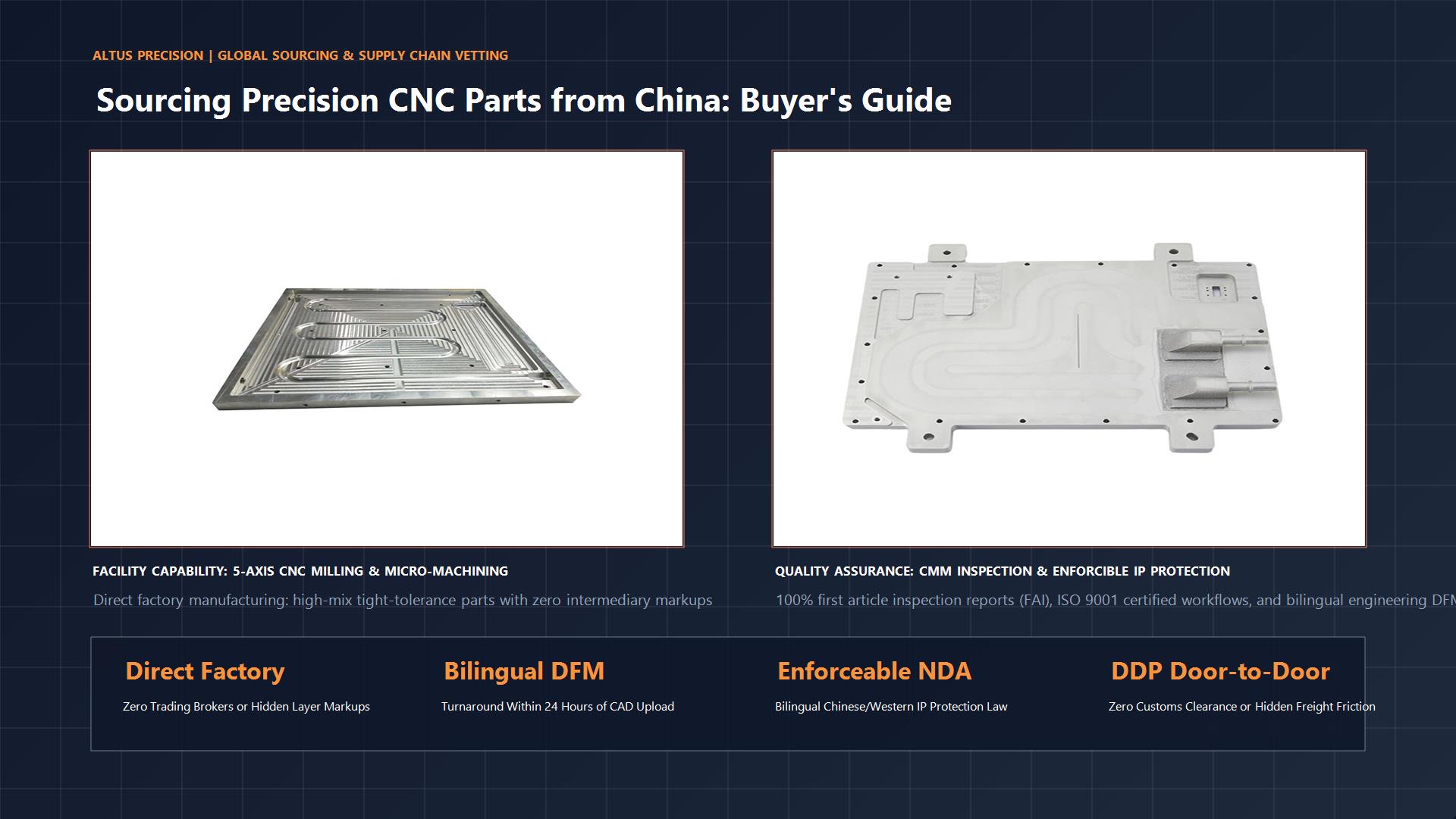
- Direct Manufacturing Facility: 100% in-house 4-axis and 5-axis CNC machining, vacuum brazing, and surface finishing.
- Bilingual Engineering Consultation: Direct communication with seasoned mechanical and thermal architects.
- Certified Quality Protocols: 100% CMM inspection, helium mass spectrometer leak testing, and material test certificates.
- Frictionless DDP Logistics: Seamless door-to-door delivery with all customs duties and tariffs prepaid.
ð Submit your CAD drawings today for an actionable DFM review and detailed quote within 24 hours:
- Website: altusprecision.com
- Direct Engineering Inquiries:
info@altusprecision.com - Upload CAD for DFM Evaluation: Request Precision CNC Quotation