
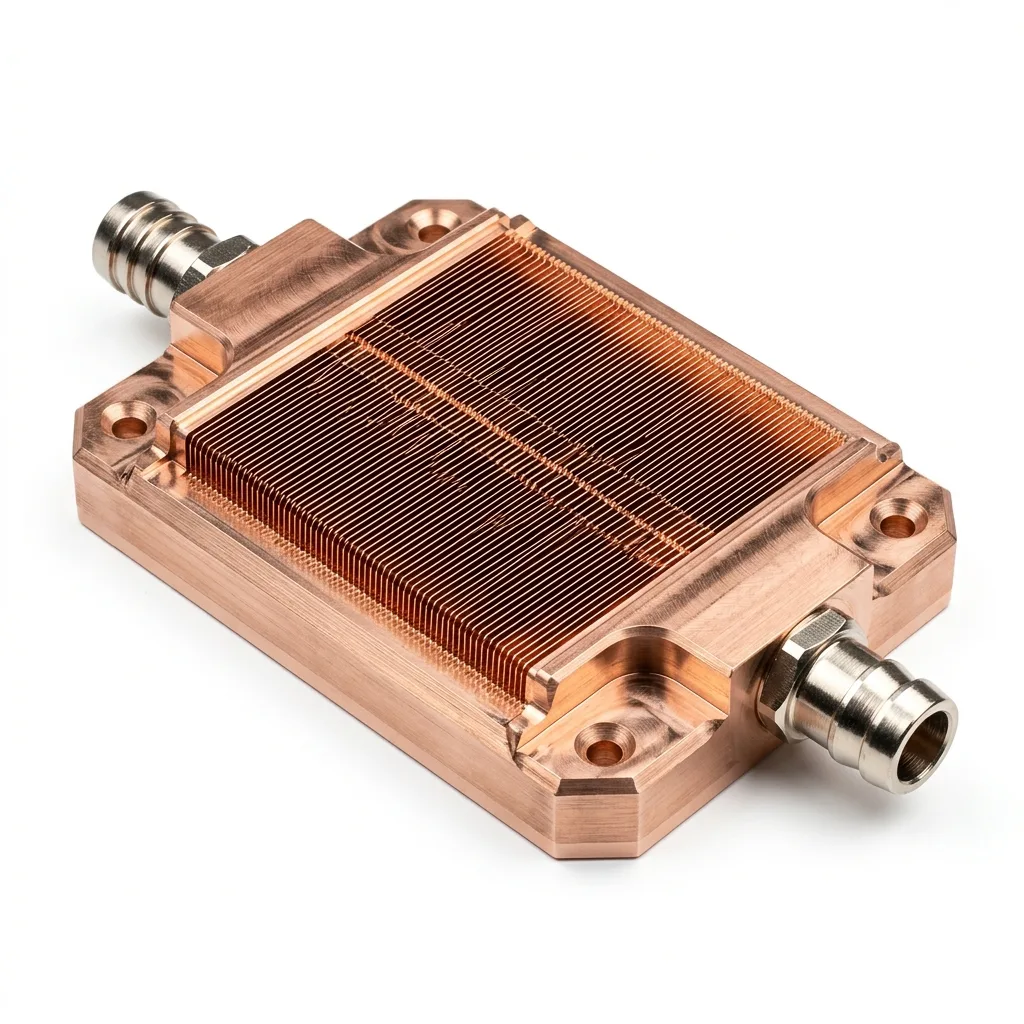
Liquid Cooling Components
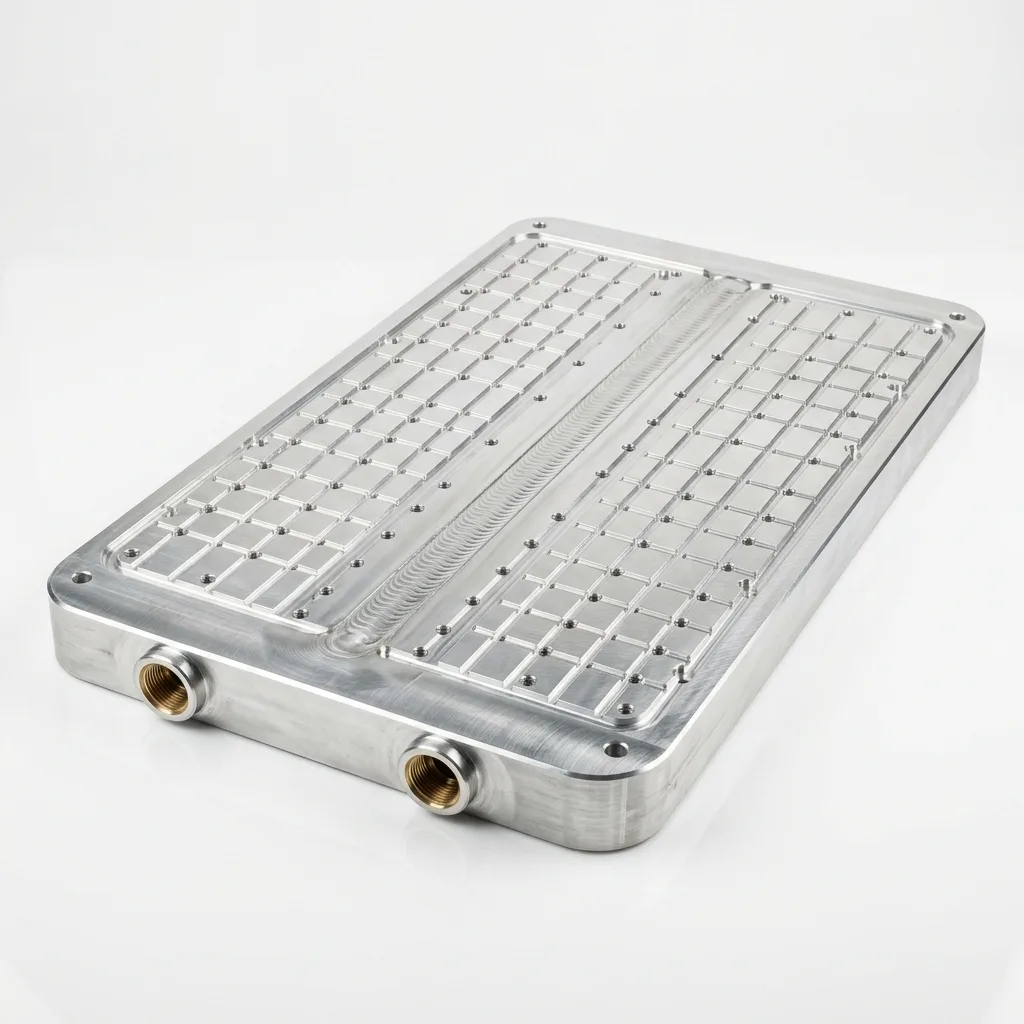
Custom Friction Stir Welded (FSW) Aluminum Liquid Cold Plate for EV Battery & Energy Storage
Custom Friction Stir Welded (FSW) aluminum liquid cold plates for EV battery packs and power electronics. Zero flux residue, burst pressure >4 MPa, helium tested.
Process & Delivery Advantages
- Supports ±0.01mm tolerance, with full coverage of 3/4/5-axis CNC machining centers
- Materials include aluminum alloy, stainless steel, copper, titanium alloy, and engineering plastics
- Paired with anodizing, electroplating, spraying, laser engraving, and other surface treatments
- 100% full inspection before shipment, with first-article reports and dimensional CP/CPK data provided
- In-house capacity in Dongguan, 7-15 days for standard parts, expedited channel within 5 days
PRODUCT OVERVIEW
Product Overview
Product Overview
Specifically engineered for electric vehicle (EV) battery enclosures, utility-scale energy storage systems (BESS), and high-power IGBT traction inverters, the Custom Friction Stir Welded (FSW) Aluminum Liquid Cold Plate (Model: LC-AL-07) provides uncompromising structural integrity and thermal uniformity. Utilizing state-of-the-art solid-state Friction Stir Welding (FSW), complex CNC-machined labyrinth flow passages are hermetically sealed into high-strength 6061-T6 aluminum alloys without melting the parent material. This eliminates brazing flux contamination, porosity, and thermal distortion, guaranteeing long-term leak-free reliability under severe automotive vibration and cyclic thermal shock.
Technical Specifications
| Technical Parameter | Design Specification & Standard |
|---|---|
| Base & Cover Material | Aerospace/Automotive Grade Aluminum 6061-T6 / 6063-T6 / 6082-T6 |
| Joining Technology | Solid-State Friction Stir Welding (FSW) with CNC Motion Control |
| Internal Flow Geometry | CNC Machined Serpentine / Parallel Labyrinth Multi-Channel Circuits |
| Maximum Panel Format | Up to 1500 mm × 1000 mm × 40 mm (Modular multi-tooling support) |
| Joint Tensile & Proof Strength | Joint Efficiency ≥ 90% of base metal strength | Defect-free solid bond |
| Machining Tolerance & Flatness | Mounting Tolerance: ±0.05 mm | Overall Plate Flatness ≤ 0.1 mm/m |
| Hermetic Leakage Testing | Helium Mass Spectrometer Vacuum Leak Rate ≤ 1×10⁻⁹ mbar·L/s |
| Hydraulic Burst Pressure | Operating: 1.0~1.5 MPa | Design Burst Pressure ≥ 4.0 MPa (580 psi) |
| Surface Treatment | Clear / Black Hard Anodizing (MIL-A-8625 Type III) or SurTec 650 Passivation |
Core Engineering & Manufacturing Advantages
- Zero-Flux Solid-State Joining: Unlike vacuum brazing which requires chemical flux or furnace cycles that degrade aluminum temper, FSW operates purely in the plastic solid state, preventing slag contamination and preserving T6 mechanical hardness.
- Large-Format Scalability: Accommodates heavy-duty cold plates exceeding 1.2 meters for EV bottom battery trays and high-voltage grid storage packs with negligible thermal warping.
- Superior Dynamic Fatigue Strength: Solid-phase weld beads eliminate melting-related porosity, micro-cracks, and shrinkage cavities, ensuring full structural resilience against automotive road vibration and cyclic pressure pulsations.
- Flexible Flow Architecture: Internal channels are freely machined via CNC milling before welding, allowing customized serpentine layouts, turbulence-inducing ribs, and optimized flow distribution tailored to battery cell isotherms.
- Automotive Quality Standards: Manufactured in compliance with IATF 16949 / ISO 9001 quality management systems, complete with ultrasonic weld testing, 3D CMM dimensional verification, and helium leak testing certificates.
Frequently Asked Questions (FAQs)
Q1: What are the primary advantages of FSW liquid cold plates over traditional brazed or tubed cold plates for EVs?
A: FSW eliminates brazing flux residue entirely, removing the risk of internal coolant channel corrosion and clogging. Compared to tubed cold plates, FSW allows larger contact surface areas, thinner overall thickness (down to 10-15mm), and superior burst pressure resistance (≥ 4.0 MPa), making it ideal for compact EV battery packs.
Q2: What is the lead time for custom FSW cold plate prototypes and mass production?
A: We provide preliminary DFM feedback and thermal simulation reviews within 24-48 hours. Functional prototypes are typically shipped within 12-15 business days upon CAD sign-off, with batch production scaling up to 10,000 units/month.
Q3: What non-destructive inspection methods are used on FSW weld seams?
A: In addition to 100% helium mass spectrometer vacuum leak testing and hydrostatic proof pressure checks, we employ ultrasonic phased array testing (UT) and metallographic microsectioning during FAI qualification to ensure 100% defect-free solid-state weld bonding.
RELATED PRODUCTS
Related Products
Custom Aluminum Brazed Liquid Cold Plate for EV & AI Servers
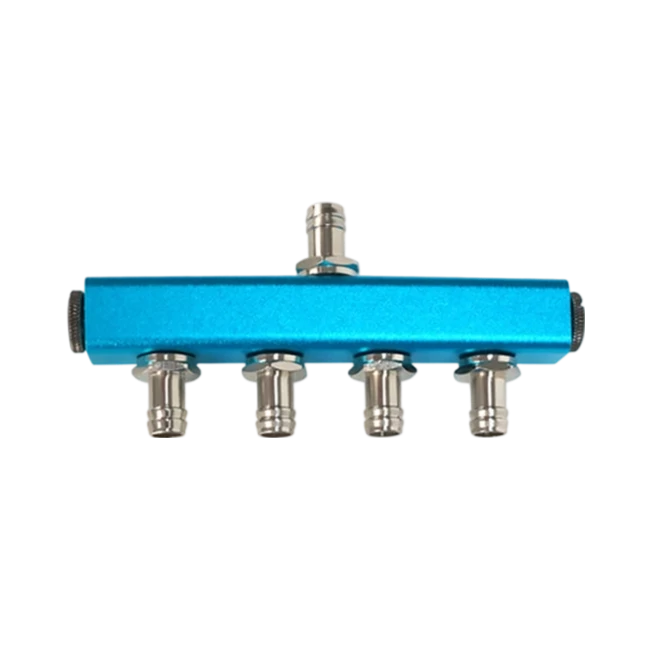
View Details →Custom Aluminum 1-to-4 Water Cooling Manifold for AI Servers
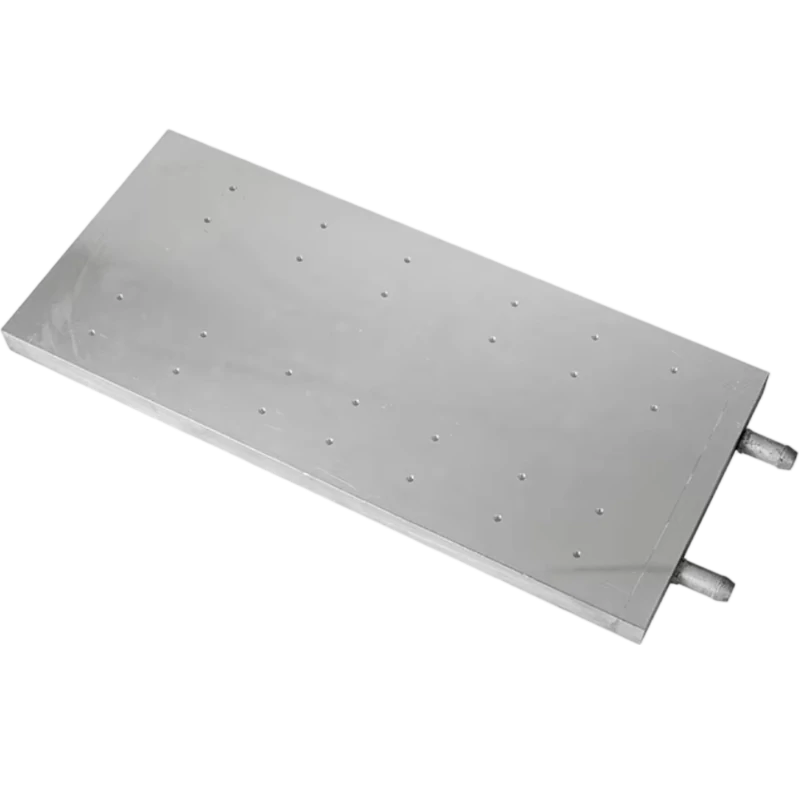
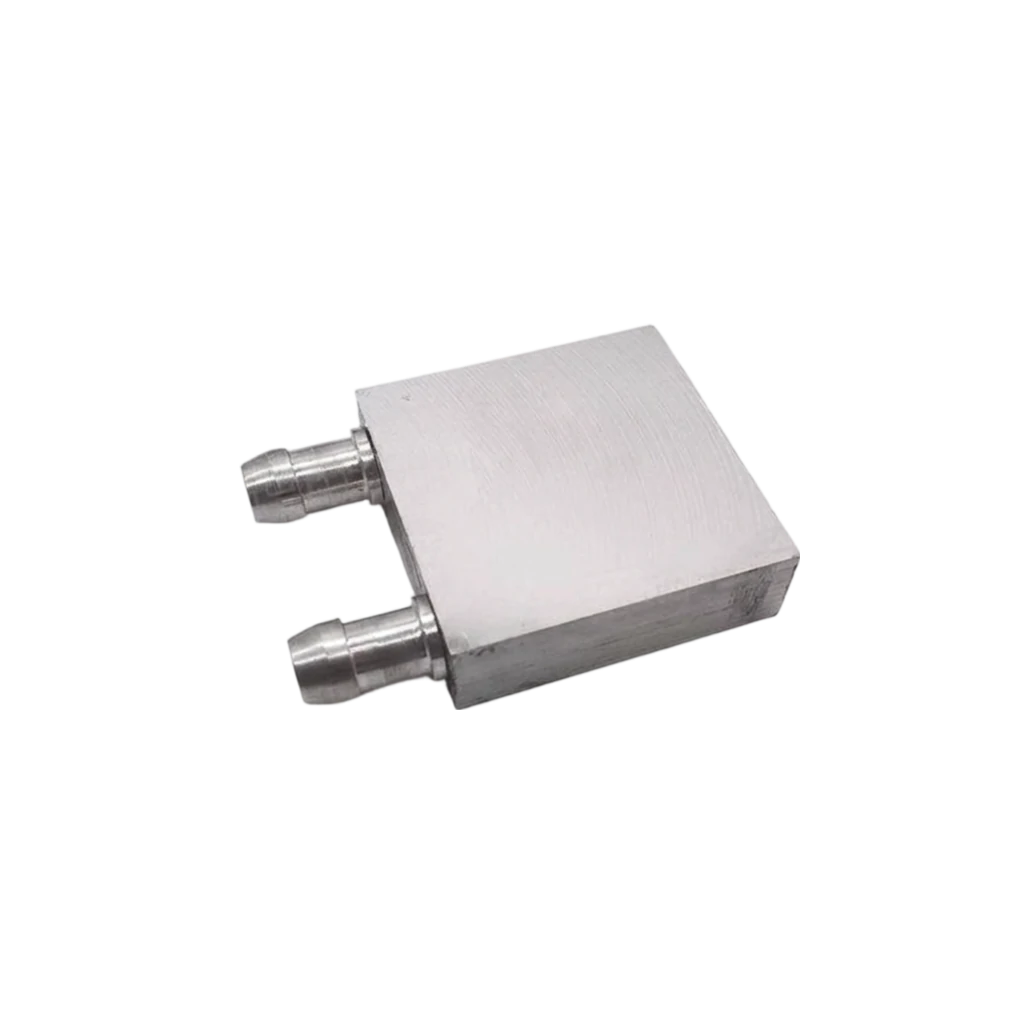
View Details →Aluminum Water Cooling Block Liquid Heatsink
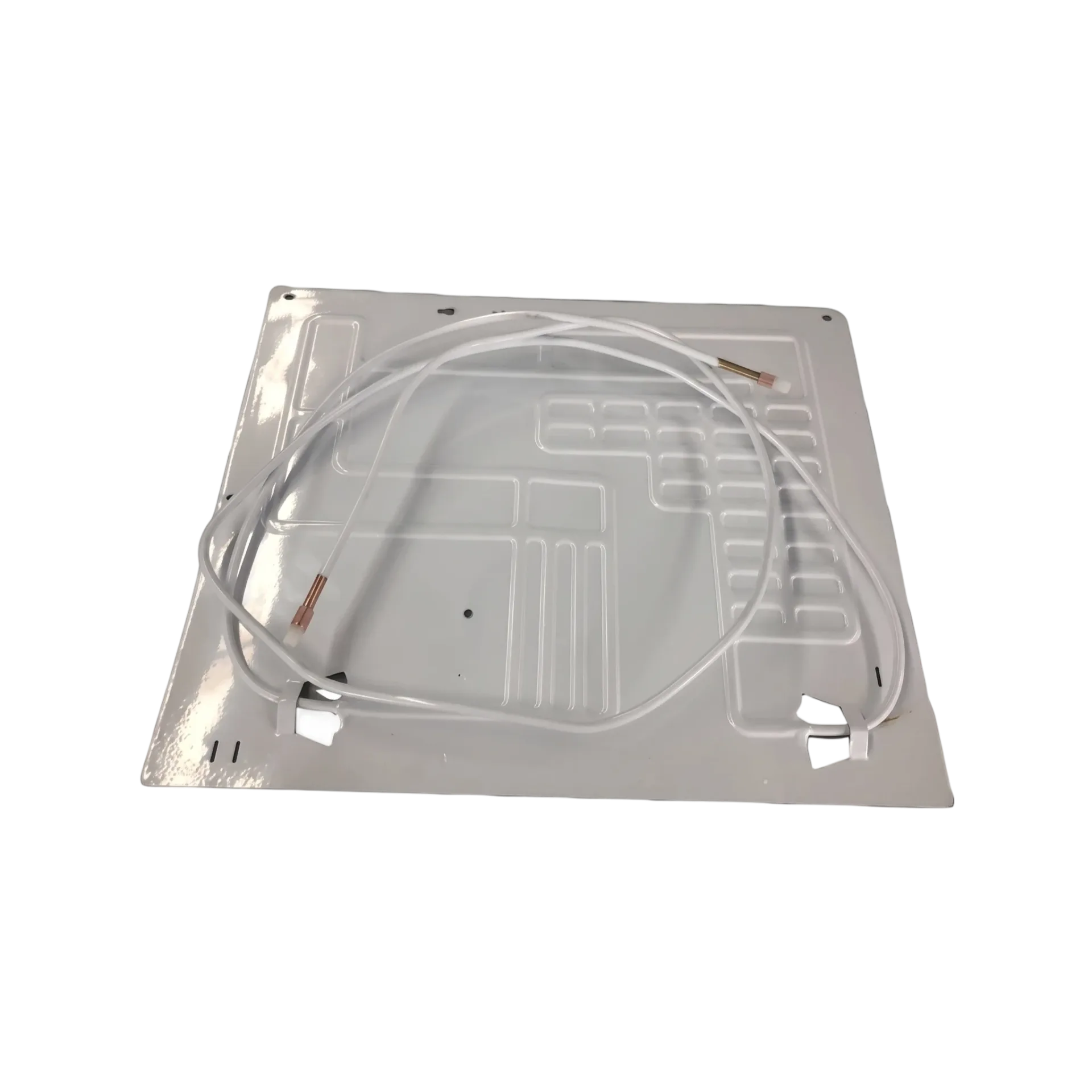
View Details →Aluminum Roll Bond Evaporator Liquid Cold Plate (450mm x 370mm)
View Details →Submit Inquiry
Tell us your drawings, quantities, and delivery requirements. Our engineering team will respond with a process plan and quotation within 24 hours.
Emailinfo@altusprecision.com
Phone+86 13418313631
WhatsApp+86 13418313631
AddressDongguan, Guangdong, China